Cloud Security Strategy: Top Tips for a Secure Transition
Understanding Cloud Security
Transitioning to the cloud can offer numerous benefits, including scalability, cost savings, and flexibility. However, ensuring a secure transition is critical. A comprehensive cloud security strategy is essential to protect your data and infrastructure from potential threats.
The first step in developing a cloud security strategy is understanding the shared responsibility model. This model outlines the security obligations of both the cloud provider and the customer. While the provider is responsible for the security of the cloud, the customer must secure the data within it.

Identifying Potential Risks
Before moving to the cloud, it's crucial to identify potential security risks. Conduct a thorough assessment of your current IT environment to pinpoint vulnerabilities and areas that need attention. This will help you develop a targeted strategy to safeguard your data.
Common risks include data breaches, insufficient identity and access management, and insecure interfaces. By recognizing these risks early, you can implement measures to mitigate them effectively.
Data Protection and Encryption
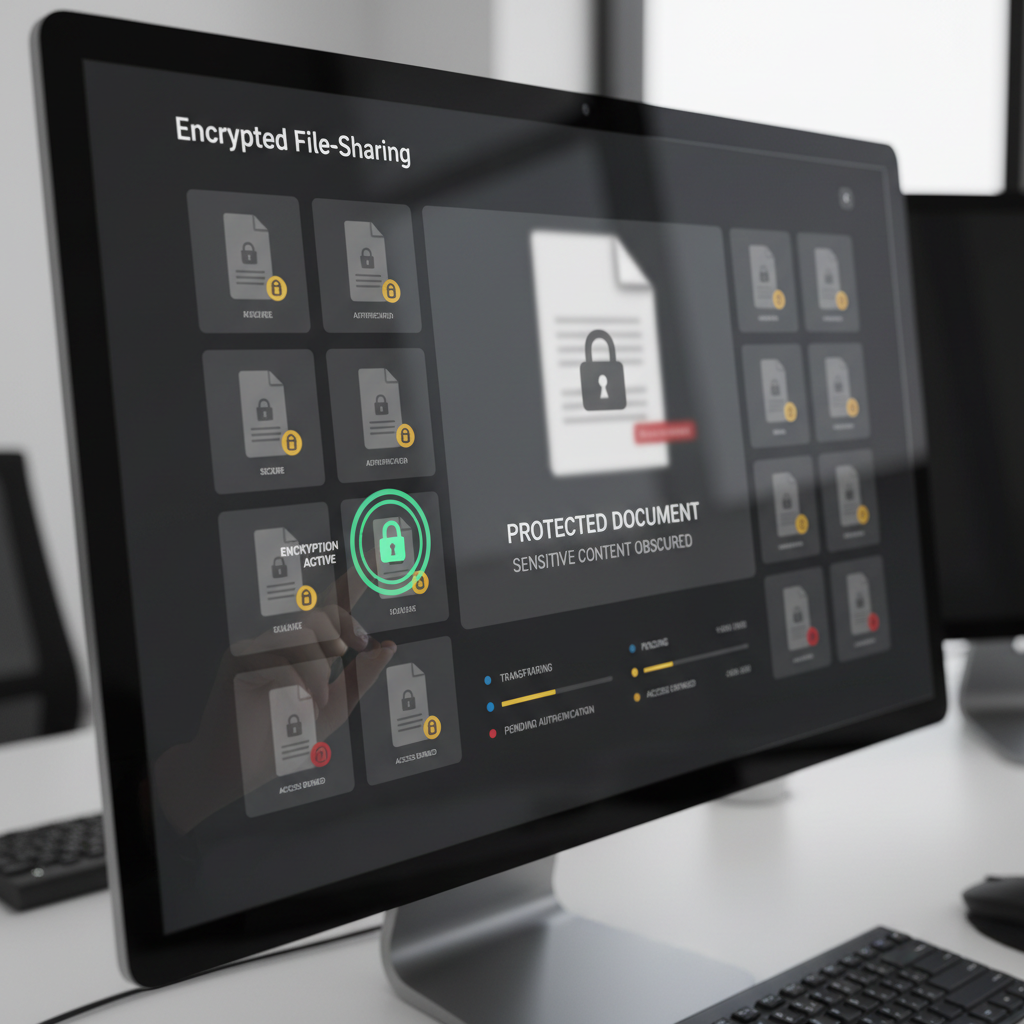
Data protection is a top priority in any cloud security strategy. Implement strong encryption standards to safeguard data both at rest and in transit. Encryption ensures that even if data is intercepted, it remains unreadable to unauthorized users.
Implementing Strong Access Controls
Access control is a critical component of cloud security. Implementing robust identity and access management (IAM) protocols ensures that only authorized users have access to sensitive data. Utilize multi-factor authentication (MFA) to add an extra layer of protection.
Regularly review and update access permissions to ensure they align with the current needs of your organization. This reduces the risk of unauthorized access and potential data breaches.
Monitoring and Logging
Continuous monitoring and logging of cloud activities are essential for detecting and responding to security incidents promptly. Implement automated monitoring tools to detect anomalies and potential threats in real-time.

Developing an Incident Response Plan
An effective incident response plan is crucial for minimizing the impact of security breaches. Develop a detailed plan that outlines the steps to take in the event of a security incident, including roles and responsibilities, communication strategies, and recovery procedures.
Regularly test and update your incident response plan to ensure its effectiveness. This preparedness can significantly reduce the downtime and damage caused by security breaches.
Employee Training and Awareness
Employees play a vital role in maintaining cloud security. Conduct regular training sessions to educate your team about security best practices and the importance of following them. This includes recognizing phishing attempts, using strong passwords, and adhering to company security policies.
By fostering a culture of security awareness, you can empower your employees to act as the first line of defense against potential threats.